Building DiaryOftheDead: Rethinking How We Remember the People We Lose
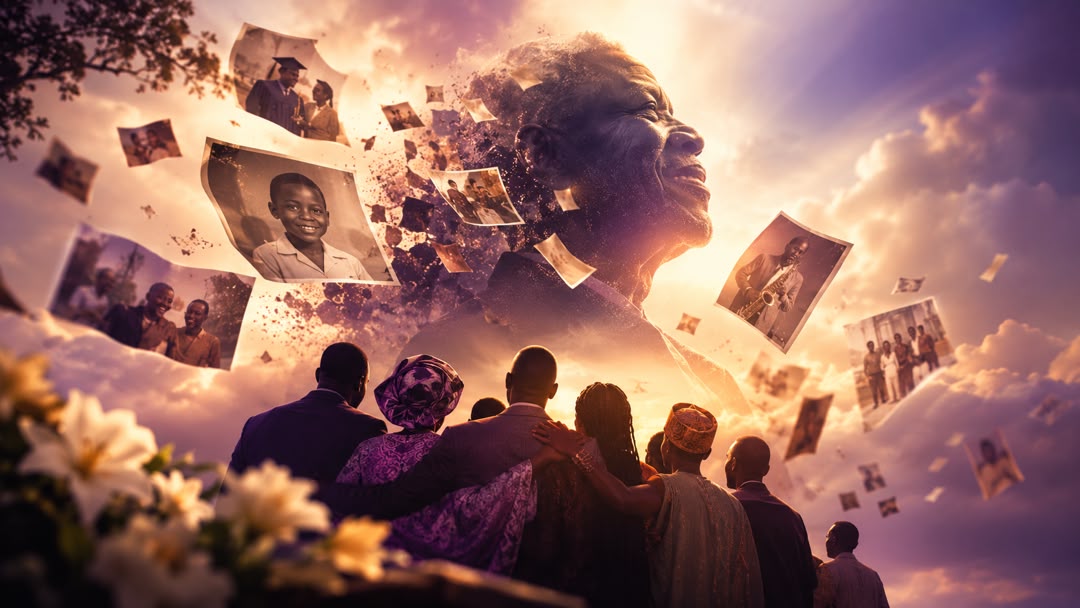
When we started building DiaryOftheDead, I thought I understood the market we were entering. But the more we explored it, I realised that death, funeral ceremonies and remembrance occupy a rather complicated space in human society. People respond to death differently. Families have different expectations, cultures have different traditions, and the resources available to commemorate a person’s life vary considerably.
In Nigeria, a burial ceremony can become an enormous undertaking. Donations are made, funds are raised, relatives and friends contribute, and considerable resources are mobilised to ensure that the occasion reflects the life and perceived legacy of the deceased.
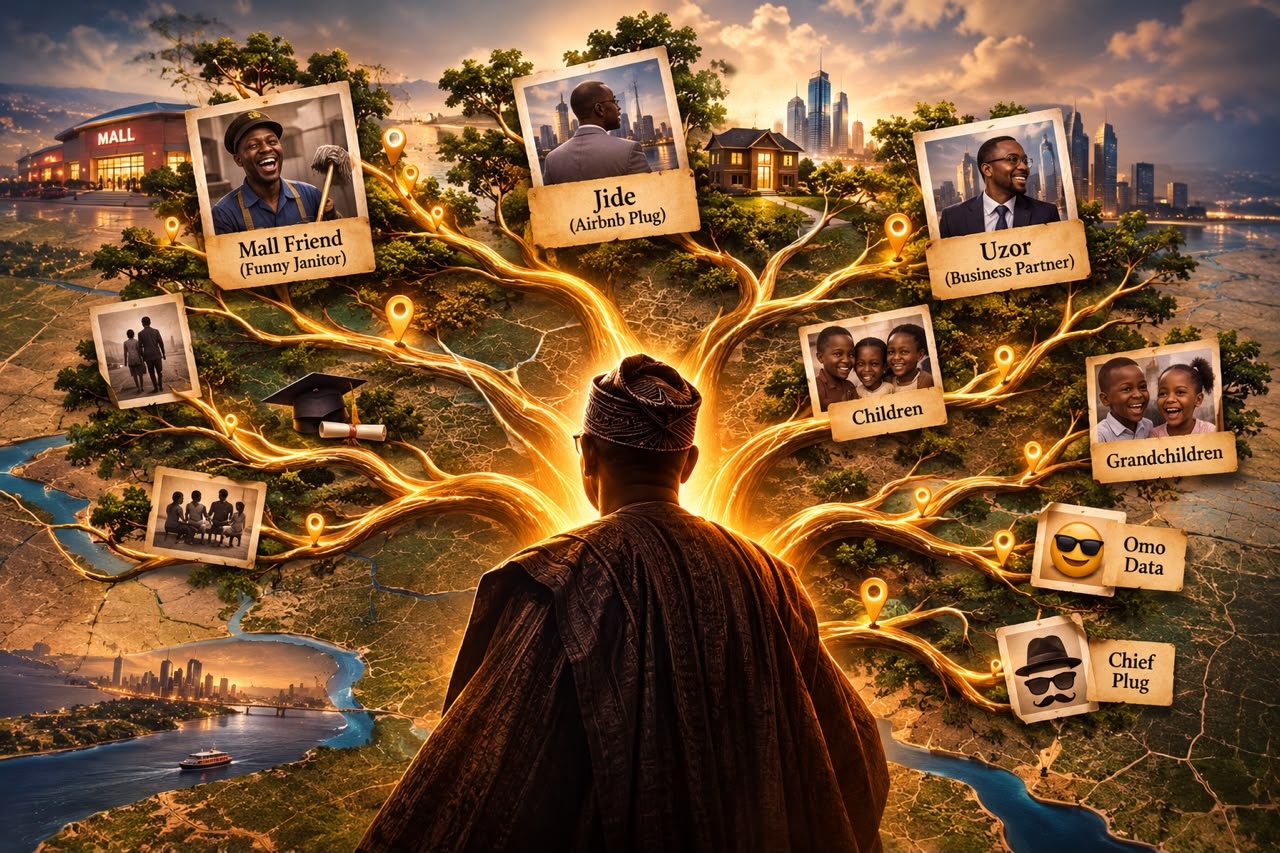
While observing this process, I began to notice something else. At these gatherings, there is often laughter. Old friends reconnect, relatives share stories, and acquaintances exchange experiences about the person they have come to honour. Someone remembers an incident from school, another recalls a professional encounter, while someone else remembers a seemingly insignificant moment that meant a great deal to them. The occasion becomes a collection of memories, many shared across tables between people who might not see one another again for several years.
Interestingly, the people attending these ceremonies sometimes possess memories that the immediate family may never have encountered. A former colleague might have photographs from an important moment in the deceased’s career. A childhood friend might remember an experience the family never knew about. An acquaintance might have a story about an act of kindness that was never shared at home. Yet, people rarely consider how meaningful these seemingly ordinary experiences could be to the family. They exchange stories, share a laugh and return to their lives, often without thinking that these memories might be worth preserving and sharing.
There is also a much larger audience that funeral ceremonies never reach. People who couldn’t attend, former colleagues who lost contact, and sometimes people who never even knew the person had passed away.This raises an interesting question: What happens to all these memories when the ceremony is over?
Beyond the burial ceremony, part of the challenge lies in how we understand death itself. In Nigeria, the word dead carries considerable emotional and cultural weight. It is often associated with fear and finality, making conversations around it difficult. But, there is a distinction worth considering between burial and memorialisation. A burial concerns the physical departure of a person and the ceremonies associated with it. A memorial, however, can continue to exist long after the burial has taken place. We routinely document the milestones of living people. Academic achievements, professional accomplishments, photographs and important life experiences are preserved digitally, allowing others to understand their journeys. Why should preserving someone’s life story become less important when that person is no longer alive?
The Idea Behind DiaryOftheDead
These observations influenced our thinking while building DiaryOftheDead. We began looking beyond the immediate requirements of funeral ceremonies towards the possibilities of digital memorialisation.
What if photographs, written tributes, audio messages and videos could become part of a shared record of someone’s life?
What if families could discover stories they had never heard, even years after losing their loved ones?
And, what if someone who never knew the deceased could encounter their story much later, discover something remarkable and share it with an entirely new audience?
We also came to appreciate that one person can inspire multiple memorials. A parent, colleague, childhood friend or former classmate may each remember a different dimension of the same individual. These accounts do not necessarily compete with one another. Together, they reveal a fuller picture of a life.
We lose so much when someone dies. Experiences, conversations, photographs and stories disappear, sometimes simply because nobody thought to preserve them. Making an effort to digitise these memories, bring them together and keep them accessible is, in itself, a worthy and admirable undertaking.
This is the thinking behind DiaryOftheDead
We set out to build a social memorial app, not simply another online obituary or a static collection of condolence messages. DiaryOftheDead allows people to interact with memorials, contribute memories through different media and create experiences that can extend beyond the digital platform into physical events. Through features that can be integrated into funeral and memorial ceremonies, the experience of remembering someone does not have to end when the gathering disperses. Contributions can continue, stories can emerge, and memories can reach people who were never present.
Building DiaryOftheDead has made us appreciate that remembrance is not necessarily a single event. It can be an ongoing relationship between memory, experience and the people who carry them.
Because a person’s life is rarely experienced by one family alone.
Keep their memory close
Create a diary for someone you love and gather the stories, photos and voices that keep them near.