Digital Legacy: The Parts of Our Lives Other People Remember
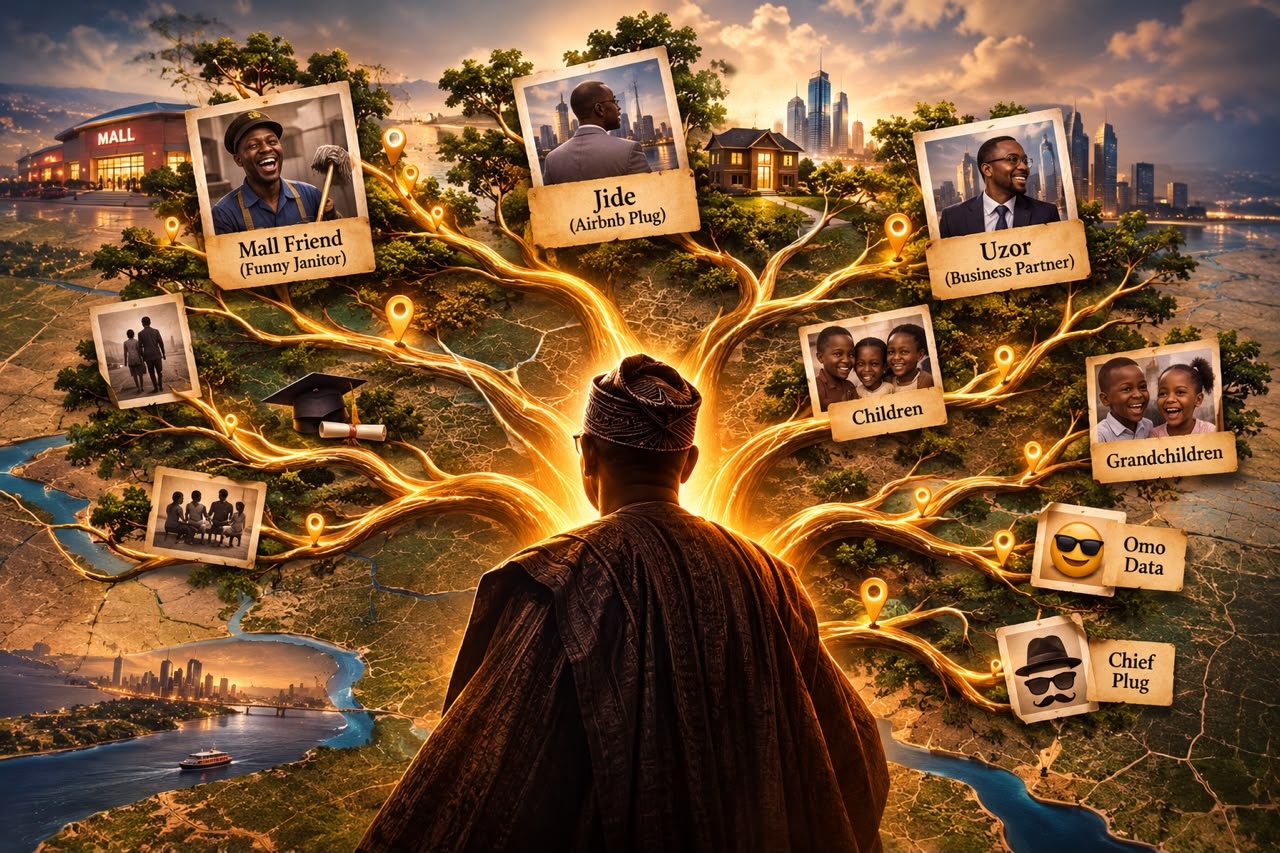
Our lives are documented from different perspectives. Sometimes, the most valuable pieces of our personal history are being kept by people who have no idea how important they may become.
We Document What We Consider Worth Keeping
People document their lives for different reasons. We photograph celebrations, record holidays, share professional achievements and preserve milestones. Sometimes it is for personal satisfaction, prestige, family history or simply the pleasure of sharing an experience. We make selections based on what our senses consider worthy of keeping. But we cannot always recognise the significance a moment might hold for someone else.
A friend might keep an awkward photograph simply because it makes them laugh. Perhaps it captures a funny expression, an unusual dance or an embarrassing moment at a gathering. Years later, after that friend has passed away, the same photograph could become one of the family’s most treasured discoveries. It might reveal a playful side of their loved one they never knew existed. What one person considered an insignificant photograph, another might eventually consider irreplaceable. This is one limitation of documenting our own lives: we only capture what we recognise as worth preserving from our perspective.
Other People Keep Different Versions of Us
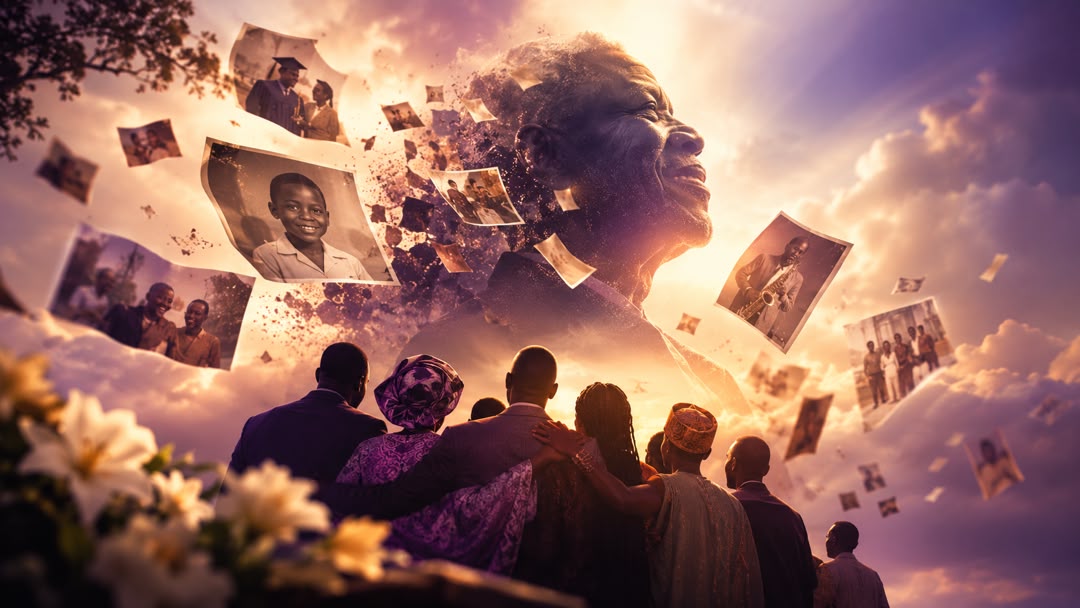
Think about the number of people who have experienced different versions of you. Your childhood friends remember things your children never witnessed. Your colleagues know stories your siblings might never hear. Someone has photographs from a journey you barely remember, while another person has a recording from a celebration that never made it into your personal album.
We are simultaneously living our own stories and becoming part of other people’s stories. This means our personal archives are inherently incomplete. Even someone who spends a lifetime documenting their experiences cannot capture everything others have experienced with them. Perhaps, preserving personal history should not depend entirely on the individual. The people around us also have something to contribute.
When a Life Becomes an Incomplete Collection
A living person’s collection remains active. They can document new experiences, explain old photographs, introduce milestones and share stories that were previously private. Death changes that relationship. The individual can no longer contribute new experiences or explain forgotten chapters of their journey. However, their collection does not necessarily become complete.
There may be photographs nobody has discovered, stories that remain with old friends and experiences that were never shared with the family. There are also unfinished parts of life, the travel bucket list that was never completed or business ambition discussed over dinner. The regrets someone occasionally expressed, struggle with illness that consumed years of their life or the family goals that circumstances interrupted.
Sometimes, families inherit more than physical possessions. They inherit responsibilities, ambitions and stories that help explain the person who came before them. An old colleague might possess photographs from an important professional milestone. A childhood friend might remember an experience that reveals an entirely different personality. A relative might discover a dream their loved one never had the opportunity to fulfil. These fragments can help families understand more about the lives their loved ones lived, including the parts they never got to experience together.
The Memories We Could Lose
There is another dimension worth considering. The people who hold these memories are also ageing. They relocate, lose contact, misplace photographs and eventually pass away themselves.
A childhood friend might be the only person who remembers a particular experience. An old colleague might possess the only photograph from an important chapter. If these memories are never shared or preserved, they can disappear without anyone realising what has been lost. This is why documenting experiences while people are still around matters. We don’t have to wait for a funeral before collecting stories, photographs and experiences. Birthdays, reunions, friendships, celebrations and ordinary social moments can all become opportunities to preserve parts of our shared history.
A Different Approach to Digital Legacy
At DiaryOfTheDead, one of the ideas behind our work is that a person’s digital legacy should not be limited to the information they personally leave behind. We have photographs distributed across phones, videos buried in conversations and stories held by people who may never have an opportunity to share them with the family. We wanted to explore how these scattered experiences could be brought together.
Through DiaryOfTheDead, families and friends can contribute photographs, stories, condolences and other memories to a person’s digital memorial. It also introduces an interesting social possibility: allowing families to discover different dimensions of someone’s life through the people who experienced it. Some discoveries might bring laughter. Others might be emotional or uncomfortable. Not every family will want to explore every aspect of someone’s past. The choice of what to preserve and share should remain theirs.
We believe digital memorialisation should offer that opportunity without imposing an obligation to revisit grief. Perhaps, the next evolution of digital legacy is not simply learning how to preserve our own lives. It is learning how to preserve the experiences we collectively create with one another.
We spend our lives documenting the things we consider worth remembering, often unaware that someone else is preserving the things we never thought to keep.
Keep their memory close
Create a diary for someone you love and gather the stories, photos and voices that keep them near.